
Dawn on Cornish Shores: Tides, Skies, and Safe, Joyful Picnics
Set your blanket with confidence as we explore tide timing, weather reading, and a practical safety checklist for early‑morning beach picnics in Cornwall. Expect local insight, heartfelt stories, and step‑by‑step guidance so sunrise gatherings feel magical, unhurried, and secure beside the ever‑changing Atlantic edge.
Reading the Water Before Sunrise
Before first light, the shoreline can disguise fast‑moving water, new channels, and shrinking sand. Learn how to read tide tables, compare spring and neap cycles, study beach contours, and spot cut‑off points, giving your picnic a generous safety margin without sacrificing the hush and beauty of dawn.
Know Your Tide Windows
Aim to arrive with ample time before low water, then track the flood’s return. Tide times vary along the coast, so verify for your specific cove. Mark exit routes on arrival, and never linger near gullies that fill quickly when the sea begins pushing back.
Read the Beach’s Storyline
Overnight swells redraw sandbars, carve rip channels, and bury rocks you saw yesterday. Scan for darker, smoother water between breaking waves, which can signal a moving channel. Choose high, level ground for seating, keeping a watchful eye on any path the ocean might reclaim.

Sky Clues, Wind Whispers, and Honest Forecasts
Sunrise comfort depends on more than temperature. Read cloud cover for shade or glow, watch wind direction for spray or shelter, and pair local intuition with trusted data. Combining Met Office insights with sea‑state reports helps you decide, adapt, or postpone with confidence.
A Safety Checklist That Travels Well
Small, dependable habits prevent big dramas. Prepare gear that stays packed, agree on signals, and rehearse quick decisions before coffee brews. By anticipating tides, weather turns, and access quirks, your picnic stays joyful, your group confident, and every memory tastes wonderfully unhurried.
Essentials You Should Always Carry
Slip a compact first‑aid kit, foil blanket, head torch, whistle, and charged phone into a dry bag. Save the local emergency number, enable location sharing, and note what3words. Add spare socks, lightweight layers, and gloves; numb fingers fumble knots, lids, and simple decisions.
Plan for Cut‑Offs and Communication
Choose a rendezvous point above the high line, agree on a leaving time, and practice a loud, cheerful recall call. If separated or unsure, dial 999 or 112 and ask for the Coastguard. Better an early alert than a hurried, risky scramble.
Food Safety at First Light
Use insulated flasks for porridge, soup, or tea, and chill perishables with reusable packs. Keep clean hands with biodegradable wipes or gel. Shade dairy from rising sun, and bin leftovers promptly, preventing gull raids, upset stomachs, and the kind of waste that spoils beaches.
Local Wisdom From Coves and Cliffs
Cornwall rewards curiosity. A quick word with an early dog walker, surfer, or fisher can reveal overnight changes, hidden rips, or seal pups resting ashore. Honour signage, heed temporary closures, and fold community advice into your plan so quiet mornings stay gentle.

An Exchange on the Path
One misty morning, a retiree pointed out a channel that had shifted overnight, steering our picnic higher toward gorse. Five minutes later, foam crept over the lower rocks. A humble chat preserved croissants, toes, and the kind of peace you remember fondly.

Reading Signs With Generosity
Temporary cones, faded arrows, or cordoned steps can signal cliff movement or nesting birds. Give closed areas a wide berth, even when shortcuts tempt. The alternative is a headline you never wanted; the gift is discovery along kinder paths bordered by thrift and heather.
Kind Ways to Deter Gulls
Keep food lidded, eat steadily rather than waving pastries, and never feed birds. Sit closer to cliffs than open car parks where scavenging is bolder. Pack a light cover net for baskets; courtesy and calm movements discourage opportunists without drama.
Beat the Sand
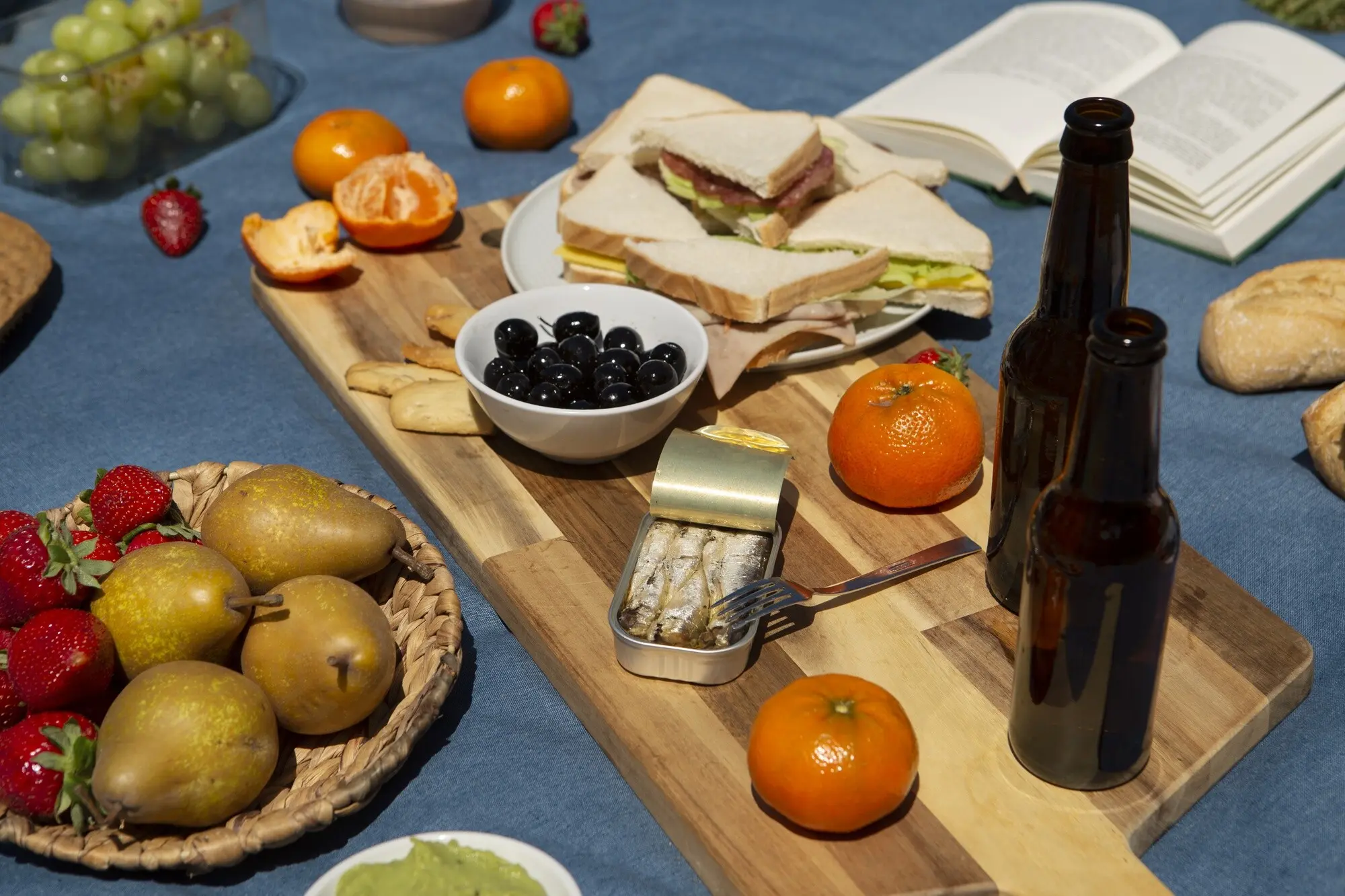
Raise trays on folding legs, dedicate one clean hand, and anchor blankets with soft bags filled with sand. Portion fruit in jars, and use zip‑top pouches for cutlery. A small brush, microfiber cloths, and patience turn grit into a manageable inconvenience.

Sustainable, Simple Choices
Favour sturdy flasks and enamel mugs, beeswax wraps, and cloth napkins. Sort waste before leaving the blanket, sealing scraps so bins stay tidy. Pick up a few stray plastics on your walk out; the best souvenir is a strandline left sparkling.
First Light With Kids, Elders, and Dogs
Warmth, Seating, and Movement
Bring sit‑pads, a spare blanket, and a hot water bottle tucked in a sleeve. Encourage micro‑walks to rock pools to keep circulation lively. Gloves help little shell collectors; granny’s scarf blocks drafts. Warm bodies listen longer, laugh more, and notice shimmering details.
Boundaries Make Play Safer
Draw a clear line above the latest wet sand and keep games landward. Appoint a tide watcher who swaps every ten minutes. Explore pools together, testing depth with a stick. Early rules sound strict, yet they unlock carefree giggles when everyone understands the plan.
Happy Dogs, Happy Neighbours
Pack a lead, collapsible bowl, and towels for sandy joy. Keep recall tight near wildlife and give families space. Check seasonal notices before you go, and bag waste immediately. Contented dogs wander less, rest sooner, and share the blanket rather than chase footprints.
Map the Minutes
Note civil twilight, sunrise, low water, and the first hour of the flood. Set reminders that chime kindly, not urgently. People move slower on sand, so double your estimates. A rhythm agreed beforehand turns timing into music instead of stress.
Photography Without Delays
Plan your one or two postcard shots, then release the camera to the bag. Share the sunrise with eyes open, cups warm, and pockets free. Pictures made quickly still sing when the moment is unbroken by fiddling menus and endless retakes.

All Rights Reserved.