
First Light, Full Baskets: Cornwall Sunrise Photography
Choosing Coves and Headlands Before Alarm Clocks Ring
Sun Path and Scout Maps
Use sun-path apps to predict where the disk lifts from the horizon and how it will rake across sand, granite, and picnic fabrics. Pair those angles with OS maps and the South West Coast Path to pre-visualize frames. Leave generous walking time; silence before dawn builds focus, respect, and photographs that feel intentionally found.
Reading Tides and Swell for Safe Shores
Low tide reveals reflective pools and ripples that turn into natural mirrors for pastries and portraits, while high tide stacks power against rocks. Check Admiralty data and local surf reports for swell direction and period. Keep blankets far above wrack lines, and never underestimate a rogue set arriving just as steam curls from tea.
Parking, Access, and Early Starts
Many car parks near popular coves open early but fill fast when skies promise color. Arrive before blue hour with headlamps, layered clothing, and hands free for railings or scrambles. Save energy for creativity by packing the night before. Tell companions the plan, share pin drops, and agree on a safe rendezvous if fog drifts in.

Expose Intentionally: ETTR, Bracketing, and Histograms
Use live histograms and highlight alerts, nudging exposure to the right without clipping essential sky detail. When dynamic range exceeds your sensor, bracket thoughtfully with stable framing for gentle merges later. Meter off a midtone—blankets work brilliantly—and lock exposure. Shoot RAW for maximum headroom, and avoid chasing every flicker; steadiness captures cohesion while light evolves.
Focus, Aperture, and Motion That Feels Like Morning
For group shots with coastline context, start around f/5.6 to f/8, focusing a third into the scene for layered sharpness. Use continuous AF on moving hands passing jam, and raise shutter speed when gulls investigate. Add motion creatively: let the kettle’s steam drift with a slightly slower shutter to reveal warmth without smearing expressions into ghosts.
White Balance, Picture Styles, and Color Consistency
Auto white balance shifts can drain the sunrise glow from cups and cliffs. Set a consistent Kelvin value—often 5200–6000K for dawn warmth—or shoot a gray card when light stabilizes. Keep picture styles flat for latitude. Later, anchor edits with a reference frame so strawberries, slate, and skin tones harmonize across the entire morning’s sequence.
Timing the Dance: Light, Tide Tables, and Breakfast Steam
Arrive in Blue Hour and Earn Calm Control
Chasing Micro-Windows of Gold Between Clouds
Sync People, Food, and Ocean to One Rhythm
Storytelling With Blankets, Faces, and a Restless Horizon
Build Layers With Blankets, Baskets, and Crumbs
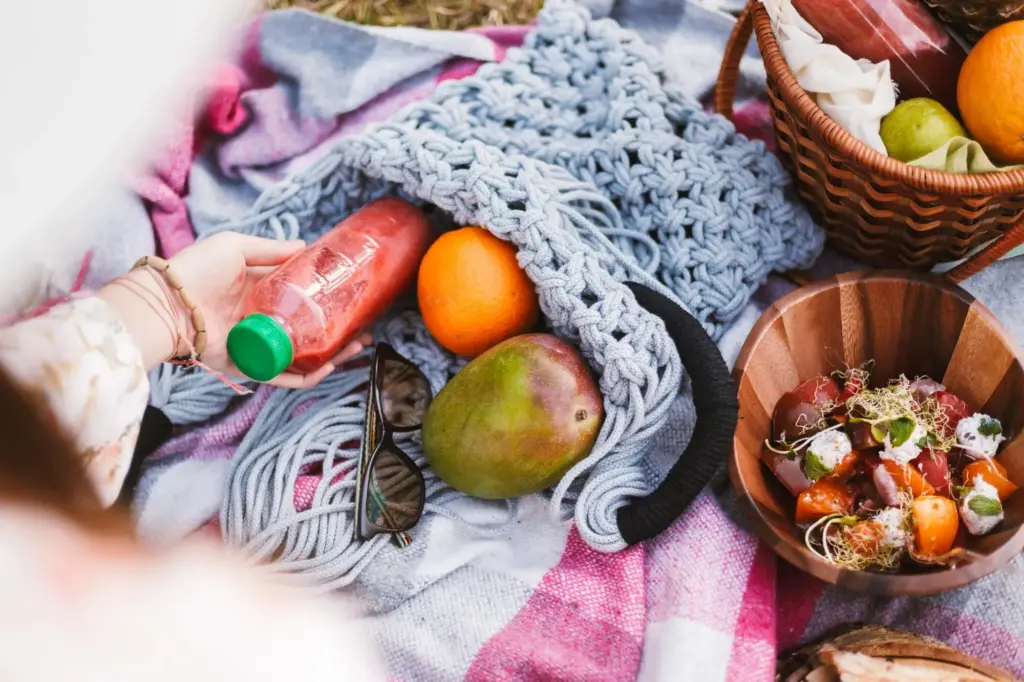
Let Lines, Cliffs, and Surf Guide the Eye
Weather Wisdom, Safety Sense, and Care for Wild Places
Wind, Mizzle, and Mist: Creative Choices, Not Problems
Wind shapes stories—use it to lift scarves and steam. Turn backs to gusts during lens changes, and shield microphones with fluff if filming. Mizzle deepens color; embrace it with a polarizer and a towel for quick dries. Fog simplifies scenes into silhouettes and tone. Share your favorite weather hacks so newcomers brave grey forecasts confidently.
Care for Dunes, Paths, and Wildlife
Keep blankets off fragile marram grass and use established paths to descents. Pack reusable containers, avoid glittering decorations, and double-check for stray cocktail sticks in sand. Observe birds from distance during nesting seasons. If a cove feels crowded, let someone else have the spot. Subscribe for our printable coastal care list that pairs perfectly with camera packing.
Cliff Edges, Rogue Waves, and Warmth Management
Maintain a respectful buffer from cliff edges, especially on damp turf. Check wave period; long-period swells travel farther and surprise. Keep one person gear-watching while another frames. Layer merino, windproof shells, and warm socks to stay patient for light. Hot water bottles inside backpacks delight. Comment with your go-to warmth trick for long golden minutes.
All Rights Reserved.